By Sigmund Ainembabazi
A local saying goes that “a tree is bent while still young because when it grows old, it becomes hard to shape.” The same can be said about climate change. If societies fail to act early, the damage eventually becomes too costly and too difficult to reverse.
For many Ugandans, climate change still feels like a distant conversation reserved for scientists, conferences, and politicians in suits. Yet the reality is that climate change is already here, quietly changing the way people live, farm, eat, and survive.
In Uganda, many people hear the term “climate change” and immediately think about rain or sunshine. But climate change goes far beyond weather patterns. It affects soils, forests, wetlands, water bodies, food production, health, and even the economy. Almost every human activity today has an environmental consequence, whether directly or indirectly.
Growing up in many parts of Uganda, fruits such as guavas, passion fruits, jack fruits, and mangoes were almost naturally available. Villages had fertile soils, enough rainfall, and green vegetation that supported food growth without much struggle. In some communities, people even joked that if one threw seeds carelessly, they would germinate on their own because the land was naturally productive.
Today, that reality is slowly disappearing – Across several regions of Uganda, prolonged dry spells, soil degradation, erratic rainfall, and deforestation have reduced agricultural productivity. Many fruit trees no longer grow naturally as they once did. Farmers now spend more money on irrigation, fertilizers, and pesticides just to achieve harvests that were once easy to obtain.
Uganda is among the countries considered highly vulnerable to climate change because its economy heavily depends on rain-fed agriculture. According to studies by Makerere University and environmental agencies, https://makir.mak.ac.ug/items/4c0c48b5-2f1c-4363-9295-62939564ca5e – changing rainfall patterns and rising temperatures are increasingly affecting food production across the country
For decades, Ugandans understood the country’s two major rainy seasons. Farmers knew exactly when to plant and when to harvest. Seasons were relatively predictable. But today, rains either delay, stop abruptly, or arrive with destructive floods.
Planting seasons have become unreliable – A farmer may plant maize expecting rainfall only for the crops to dry up midway through the season. In other areas, excessive rains destroy gardens, wash away soils, and flood communities. This unpredictability has greatly affected household incomes, food security, and livelihoods.
Research has shown that Uganda’s rainfall has generally reduced over the years in several agricultural regions, while temperatures continue to rise.
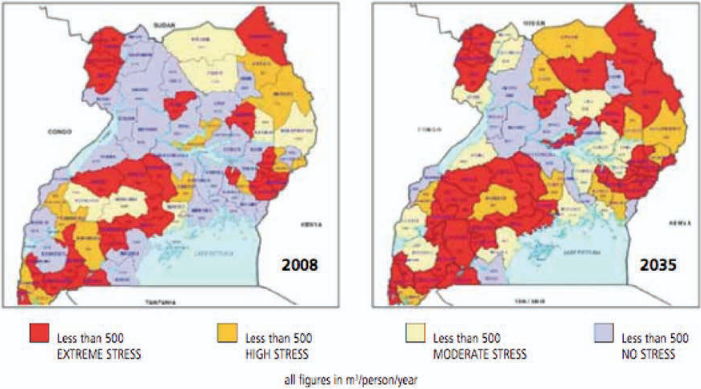
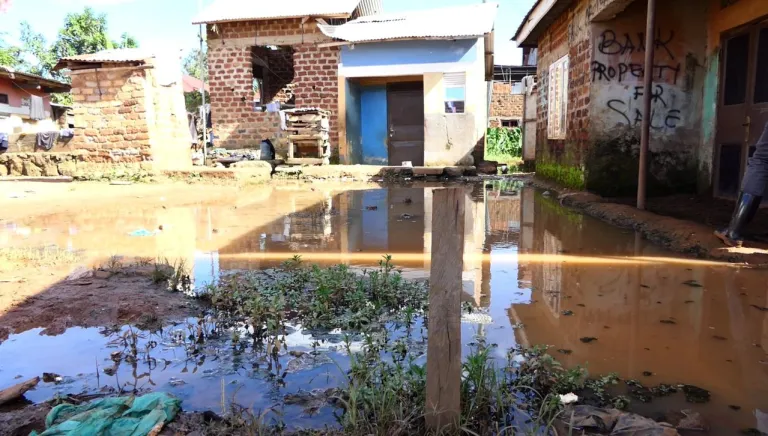
The impact can already be seen across the country; climate change is no longer a future problem. tt is already disrupting lives. Floods in Kampala and surrounding areas have become more common. In eastern Uganda, landslides continue to threaten communities living on mountain slopes. Northern Uganda frequently experiences extended droughts that destroy crops and livestock.
One of the biggest contributors to environmental degradation in Uganda is deforestation. Trees continue to be cut down for charcoal burning, construction, agriculture, and urban expansion. Forests play a major role in regulating rainfall, protecting soils, and absorbing carbon emissions. When forests disappear, temperatures increase and ecosystems weaken.
Wetlands, which naturally absorb excess water and reduce flooding, are also under severe pressure. According to environmental reports, Uganda’s intact wetland coverage has significantly reduced over the years due to encroachment, urbanization, agriculture, and pollution.
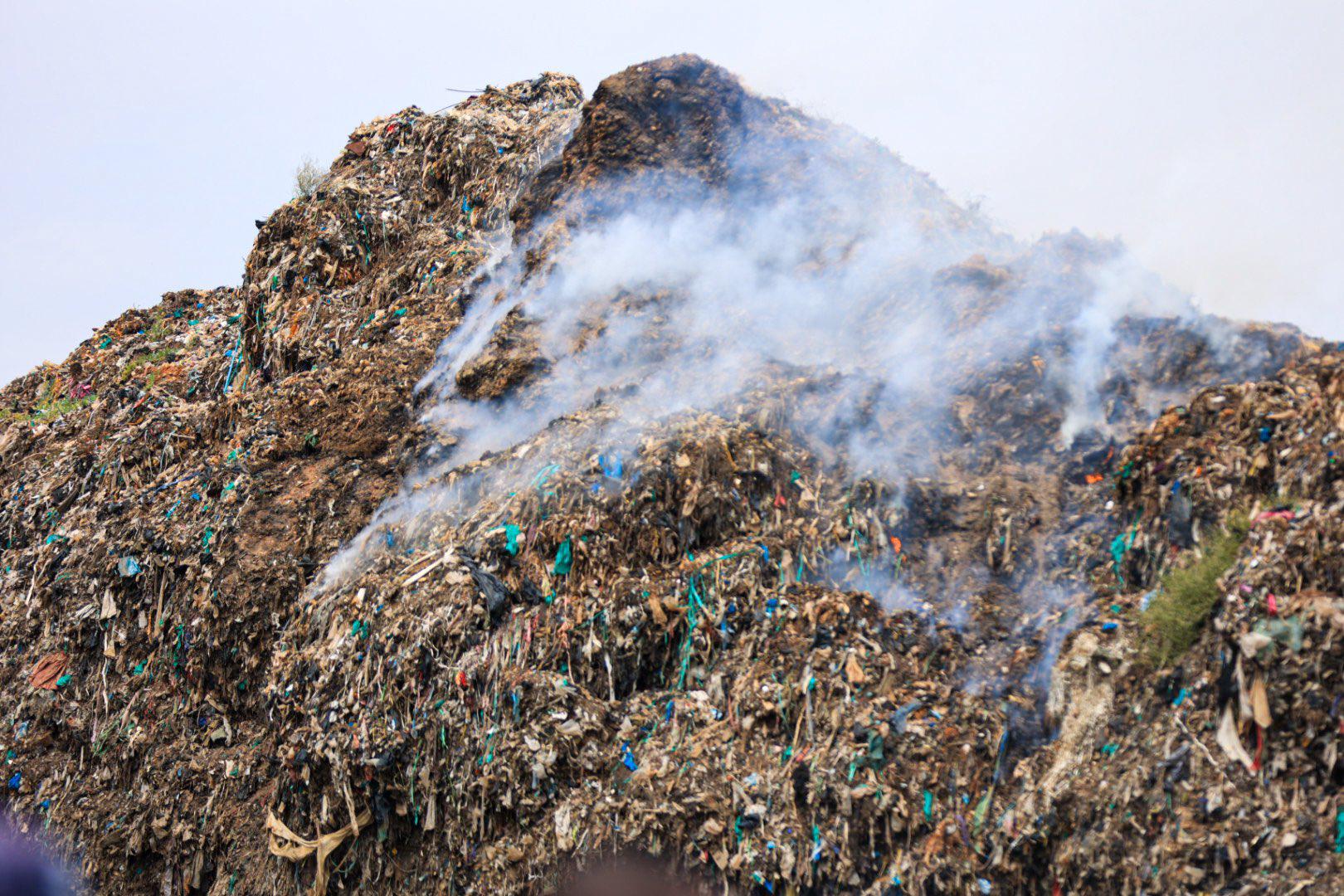
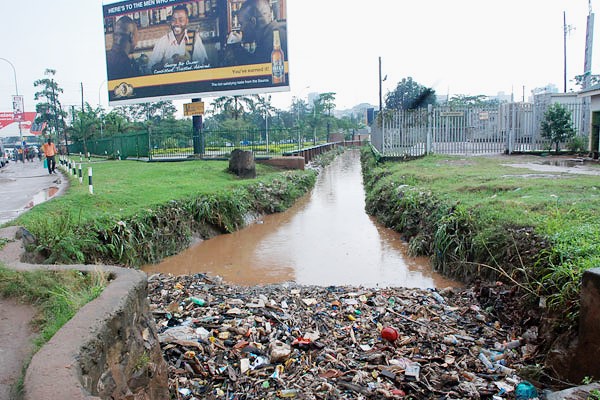
Plastic pollution has become a significant environmental issue, and a stroll through numerous urban areas in Uganda shows piles of thrown-away plastic bags, bottles, and uncollected trash. Waste clogs drainage systems, causing flooding during rains. Specialists estimate that Uganda produces hundreds of metric tons of plastic waste each day, but a large portion is neither adequately collected nor recycled. This plastic issue is more than just an eyesore; improperly handled polythene harms the soil and water bodies, reducing soil fertility and ultimately impacting both people and wildlife.
Uganda’s growing urban population is also placing pressure on the environment. The country’s population is expected to continue increasing rapidly, meaning higher demand for land, housing, fuel, and food. Without proper environmental planning, this growth could worsen climate-related challenges.
At the same time, Uganda is preparing for commercial oil production. While the oil sector promises economic opportunities, environmental experts have repeatedly warned about the possible effects of fossil fuel activities on ecosystems, water bodies, and climate sustainability if not carefully managed.
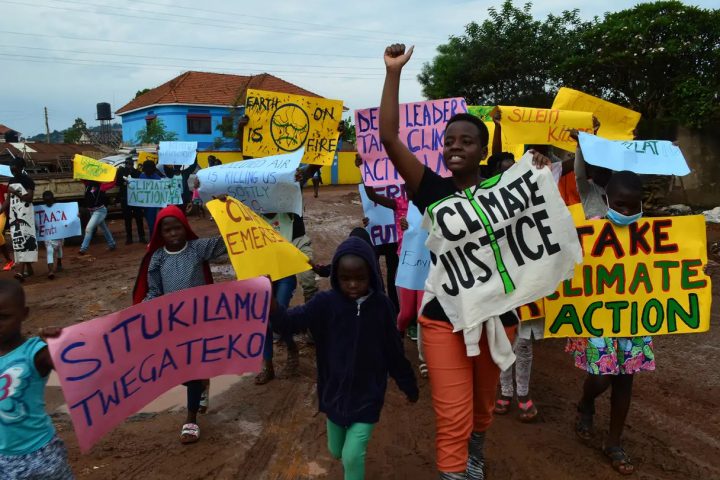
Despite these growing concerns, climate change discussions in Uganda are still limited. Environmental conservation is often treated as an occasional campaign rather than a long-term national responsibility.
In the 1990s and early 2000s, Uganda prioritized public awareness campaigns on HIV/AIDS by involving schools, religious organizations, media outlets, and local leaders who collaborated to disseminate information through signboards, radio broadcasts, community outreach, and school programs. This same level of commitment should now be applied to addressing climate change. Environmental education ought to be integrated into the school curriculum starting from the primary level, so that children learn early on about the significance of wetlands, forests, proper waste management, and sustainable agriculture.